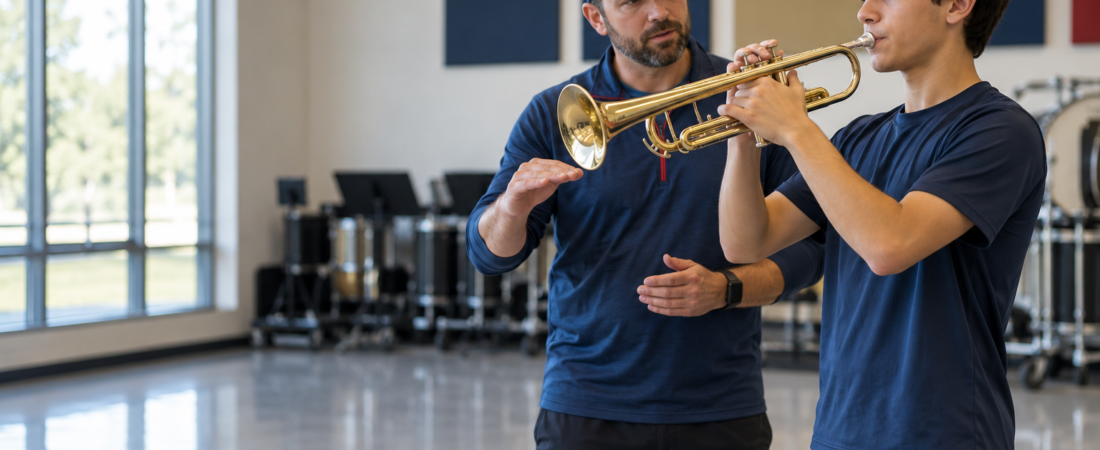
Understanding the Importance of Daily Warm-Up Routines in Drum Corps
For aspiring drum corps members, a well-structured warm-up routine is essential for maximizing performance and preventing injuries. Whether you are a brass player, percussionist, or part of the color guard, warming up helps to prepare your body and mind for the physical demands of practice sessions and performances. Not only does a warm-up enhance your coordination, timing, and musicality, but it also plays a significant role in injury prevention, helping to maintain your health and longevity in the activity.
A warm-up typically consists of physical stretching, instrument-specific exercises, and movement routines that help transition your body from a state of rest to one ready for rigorous activity. In drum corps, where members often participate in extensive rehearsals and performances under various weather conditions, developing a comprehensive daily warm-up routine is a key factor for success. This article will guide both beginners and returning performers on how to build a safe and effective warm-up that maximizes performance while minimizing the risk of injury.
Gathering the Essentials
The first step in developing your daily warm-up routine involves gathering the necessary materials and preparing your environment. Below is a list of items you might need:
- Your instrument (brass, percussion, flag, etc.)
- Comfortable clothing suitable for movement
- A safe, spacious practice area
- Water to stay hydrated
- A timer or metronome for timing exercises
- A notebook for tracking progress
Before you start, it’s crucial to confirm that you understand how to execute each component of your routine. If you’re unsure about a specific exercise or stretch, consult a qualified instructor or an experienced corps member. Consider approaching your drum corps staff to review current warm-up guidelines, particularly those that are specific to your section or ensemble. A quick chat can provide clarity on your goals and the best practices for your unique instrument or role. Furthermore, explore resources like the DrumCorps.net corps directory to find information pertinent to your chosen corps.
Creating a Step-by-Step Warm-Up Routine
Physical Preparation
After gathering your materials, it’s time to structure your physical warm-up. Physical preparation should begin with dynamic stretches. Here is a simplified step-by-step guide for an effective warm-up:
- Start with 5-10 minutes of light aerobic activity to get your heart rate up. This could be jogging in place or doing jumping jacks. The goal is to gradually increase blood flow to your muscles.
- Perform dynamic stretches that involve movement. These might include arm circles, leg swings, and torso twists. Aim for 10-15 repetitions each, ensuring to engage your core and align your posture correctly.
- Focus on joints and major muscle groups. Ankle circles, wrist rotations, hip openers, and shoulder stretches can help loosen tight areas that may feel stiff after extended inactivity.
- Incorporate instrument-specific movements. Before playing, mimic the physical motions required for your instrument as part of the warm-up. For example, brass players can practice breath control exercises, while percussionists can engage in limited stick hitting to warm up their wrists.
It’s crucial to listen to your body during this stage. If you feel any discomfort or pain, take a step back and modify your routine. Rest is equally as important as the actual workout; do not overlook it.
Musical Preparation
After your physical warm-up, dedicate time to musical exercises. Here’s a structured plan:
- Begin with long tones. For brass players, sustain a pitch for as long as possible, focusing on intonation and quality of sound. Percussionists can practice playing a single stroke or double stroke roll to build consistency.
- Move on to scales. Up and down the full scale, incorporating articulation techniques. Practice slowly at first, increasing speed progressively while maintaining clarity.
- Finally, integrate excerpts from your music. Pick a few measures from your show. This aids in connecting the technical work with repertoire preparation.
After completing the warm-up, it can be beneficial to hydrate and take a few moments to mentally prepare for your practice or rehearsal, reviewing your goals for the session. Take regular breaks during practice to prevent fatigue and to keep your focus sharp.
Sample Practice Schedule
Creating a routine is essential, and here’s a sample practice schedule to help guide your daily progress. Tailor this template based on your availability and comfort level:
- Day 1: 35 minutes total
- Warm-up: 10 minutes
- Technique exercises: 15 minutes
- Repertoire: 10 minutes
- Day 2: 30 minutes total
- Warm-up: 5 minutes
- Technique review: 10 minutes
- Part-specific work: 15 minutes
- Day 3: 5 minutes (Active recovery)
- Stretching: 5 minutes
Repeat this cycle, adjusting time length and focus areas as you feel more comfortable. The key is to incorporate both focused practice and adequate rest. Returning performers can extend their routines by adding new exercises or increasing their time on sections that require additional attention.
Adaptation for Beginners and Extensions for Returning Performers
As a beginner, you may find it helpful to start slow. Select basic exercises that foster familiarity with your instrument. Decrease an initial 5-minute warm-up to 3-4 minutes and focus on achieving consistency in your sound. As you grow closer to your goals, you can gradually lengthen these sessions and introduce more complex exercises.
For returning performers, consider extending your warm-up by introducing additional challenges that reflect your advanced skills. This might include faster tempos during scale practice, complex rhythmic patterns, or extended durations on long tones. Additionally, incorporate peer feedback sessions where you can exchange constructive critiques and set new benchmarks for your progress.
Self-Checking Progress and Keeping Notes
Documenting your practice sessions is vital for monitoring improvement. Here are actionable tips to create an efficient self-check:
- Utilize a notebook or digital app to log daily warm-ups, insights, and completed goals.
- Include detailed notes on what worked well or what didn’t; be specific.
- Set weekly check-ins with your goals, reevaluating as necessary.
- Consider recording video or audio of yourself to reflect on your technique and to visualize changes over time.
Regular self-assessments equip you to recognize improvements, and understanding which areas require additional focus will bolster your preparation for auditions or performances.
Common Mistakes and Practical Fixes
A few common pitfalls exist for warm-up routines. One prevalent mistake is skipping or rushing through the warm-up entirely due to time constraints or the eagerness to jump into practicing. This can lead to injury or fatigue during performance. Always prioritize your warm-up; consider it as crucial as the practice itself.
Another mistake could be improper form during physical activities. Be mindful of your posture, neck, and back alignment. Seek guidance from instructors or use online resources to learn the correct way to move, ensuring you avoid injuries related to poor mechanics. Regularly revising your current routine will help you develop a habit of correcting form while playing, which is an investment in your future performance health.
Final Checklist and Questions to Ask Your Corps
- Have I gathered all necessary materials for my warm-up?
- Is my warm-up routine tailored to my instrument and personal goals?
- Am I consistent with my warm-up duration and exercises?
- Have I set realistic performance targets for myself?
- Do I understand how to seek help from instructors or peers when needed?
In addition to checking off this list, don’t hesitate to engage with your corps staff or marching instructors. Questions like the following can provide helpful insights:
- Are there specific warm-up guidelines tailored for our section?
- What are the key elements to focus on in our performance?
- How should I integrate my daily practice into the overall rehearsal schedule?
Conclusion
A well-structured warm-up routine serves as the groundwork for your success as a drum corps member. By investing time in both physical and musical preparation, you create a foundation that enhances performance while protecting against injuries. Remember, practice does not make perfect; it makes permanent. Stay consistent, listen to your body, and maintain an open line of communication with your corps mentors. As you build your skills, take every opportunity to engage, refine, and adapt, paving the path to your drum corps aspirations.
FAQ
What is the ideal duration for a daily warm-up routine?
The ideal duration can vary but generally falls between 20-30 minutes. This allows ample time for both physical and musical preparation without overwhelming yourself, especially as a beginner.
How can I keep my instrument warm during cold weather rehearsals?
In cold weather, it’s wise to keep your instrument indoors as much as possible until you’re ready to play. Consider warming it up in low temperatures gradually, allowing the instrument to acclimate before extensive playing.
Why is hydration important before playing?
Staying hydrated supports your overall bodily functions, helps maintain stamina, and keeps your vocal cords and muscles working efficiently, all of which are crucial during intense physical activity.