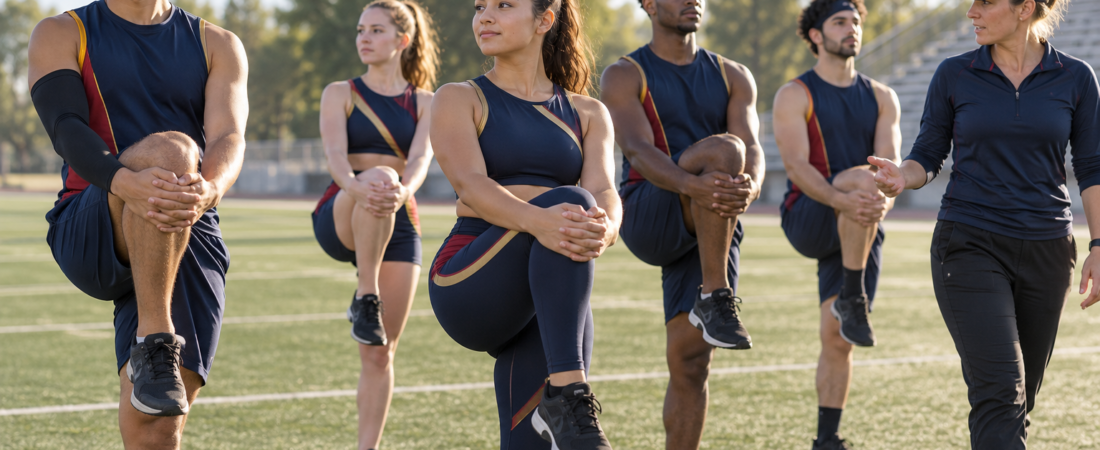
Preparing for your first drum corps audition can be both exciting and daunting. Whether you’re stepping onto the field for the first time or returning with previous experience, knowing what to expect can greatly enhance your confidence and performance. This guide will provide you with essential tips and strategies to navigate your audition seamlessly, covering everything from preparation and practice techniques to helpful checklists and questions to ask the corps.
Understanding Drum Corps Auditions
Drum corps auditions serve as a way for drum corps organizations to assess the skills and potential of aspiring members. These assessments vary in format, including live auditions, video submissions, or a combination of both. Regardless of the method, the primary objective remains the same: to evaluate your musical abilities, marching techniques, and overall performance readiness.
During the audition process, expect to face experienced instructors and judges who will be observing not only your technical skills but also your ability to adapt and take direction. Being open to feedback and demonstrating a positive attitude are essential qualities that corps look for in potential members. Moreover, a successful audition does not guarantee a spot; each corps has specific criteria and numbers they need to fill based on their overall vision for the season.
Preparation: What You Need to Gather and Confirm
Before diving into your audition preparation, take an inventory of the necessary materials and confirm details specific to the corps you are auditioning for. Start by obtaining the official audition packet from the drum corps organization. This document typically outlines the following:
- Audition dates and locations
- Eligibility requirements (age limits, experience levels)
- Specific materials or repertoire you will be required to prepare
- Any equipment you may need to bring (instruments, flags, etc.)
- Audition format (live, video, etc.)
- Costs associated with the audition (registration fees, travel expenses)
Additionally, reach out to the corps staff if you have any uncertainties. They are there to help prospective members and can provide clarification on any points in the audition packet. Being organized and having clear answers to these questions will set a solid foundation for your preparation journey.
Step-by-Step Preparation Method
Your preparation should be structured yet flexible, allowing for gradual improvement while avoiding burnout. Follow this step-by-step approach to make the most of your practice time:
- Assess Your Current Skills: Record yourself playing your prepared material. This initial assessment will give you a benchmark and help identify areas for improvement.
- Create a Practice Schedule: Outline a weekly schedule dedicating focused time to different areas such as music, technique, and marching fundamentals.
- Set Specific Goals: Break down your goals into manageable, specific objectives (e.g., mastering a difficult passage, improving your marching technique).
- Practice Deliberately: Use focused practice techniques such as slow practice, segmenting challenging sections, and using a metronome for rhythmic accuracy.
- Get Feedback: If possible, work with a qualified instructor or mentor who can provide constructive feedback on your performance.
- Monitor Your Progress: Keep notes on your practice sessions, documenting what works well and what needs further attention. This will help you understand your growth over time.
- Rest and Recover: Make sure to include rest days in your schedule to allow for recovery and prevent physical strain.
Sample Practice Schedule
A well-structured practice schedule can dramatically improve your audition readiness. Here’s a realistic example:
Beginner Practice Schedule:
- Monday: 1 hour of technical exercises (30 mins) + 30 mins of music practice
- Wednesday: 1 hour of marching fundamentals + 30 mins of music practice
- Friday: 1 hour of playing with a metronome focusing on timing + 30 mins of review and playback of your recordings
- Saturday: 2 hours of ensemble playing with friends or family
- Sunday: Review audition material for 1 hour, then rest
Returning Performer Practice Schedule:
- Monday: 45 mins of advanced technical warm-up + 45 mins of audition music
- Tuesday: 30 mins of marching drills + 30 mins of video playback for technique evaluation
- Thursday: 1 hour of solo performance practice + 30 mins of feedback session with a mentor
- Friday: 30 mins focusing on challenging passages + group rehearsal for 1 hour with peers
- Sunday: Mock audition performance to friends or mentors, followed by a feedback session
Self-Checking Your Progress
As you work towards your audition, regularly monitoring your progress is key to achieving your goals. After each practice session, take a few minutes to evaluate your performance against the objectives you set earlier. Here are a few methods to self-check your progress:
- Keep a practice journal documenting what you practiced, how you felt, what went well, and areas needing improvement.
- Record yourself at various points in your preparation to objectively evaluate improvements over time.
- Engage peers or mentors to provide input and offer constructive criticism based on their observations.
- Reassess your initial recordings to see how you’ve improved and adjust your practice focus accordingly.
Avoiding Common Mistakes
As with any audition process, aspiring members may encounter common pitfalls. Recognizing these mistakes can help you navigate the process more effectively:
- Neglecting Physical Preparation: Many newcomers underestimate the physical demands of drum corps. Include stretching, strength training, and cardiovascular endurance activities in your preparation routine.
- Lack of Adaptability: Be prepared to adapt your performance based on feedback and learning requests from instructors. Showing a willingness to learn goes a long way.
- Overly Rigid Practice Schedules: Being overly strict with your practice time can lead to burnout. Listen to your body and mind, and don’t hesitate to incorporate lighter practice sessions.
- Ignoring the Mental Aspect: Audition stress can affect performance. Practice relaxation techniques like deep breathing or visualization to stay focused and calm on audition day.
In practical terms, consider creating an adaptable plan that incorporates downtime and fun activities, even during intense preparation periods.
Final Checklist and Questions for the Corps
Before heading to your audition, use this final checklist to ensure you’re fully prepared:
- Have you thoroughly reviewed the audition packet?
- Do you have all required materials and equipment? (Instrument, music, uniform, etc.)
- Have you practiced your pieces enough to perform them confidently?
- Have you planned your travel and accommodations (if needed)?
- Do you have a way to take notes or record your audition for self-review?
Before finalizing your plans, ask the corps staff important questions like:
- What specific characteristics are you looking for in audition candidates?
- Can you clarify the audition format and what participants should expect?
- What should I prepare beyond the required music? Are there any visual elements as well?
Conclusion
Auditioning for a drum corps can be a fulfilling experience that challenges your skills and enriches your musical journey. By following these preparation steps and keeping an open mind, you will set up a solid foundation for your audition. Remember, every performance is an opportunity to learn and grow, whether you receive a callback or not. So, dedicate the time to practice, ensure you gather the right materials, and communicate with corps staff if needed. Don’t forget to enjoy the process and immerse yourself in the experience!
FAQ
What is the typical age range for drum corps auditions?
Age eligibility varies by corps, but many require members to be between 14 and 21 years old. Check the corps’ specific guidelines in their audition packet.
What should I wear to the audition?
Wear comfortable athletic attire that allows for ease of movement. Sneakers or marching shoes that provide good support are recommended, along with appropriate gear for your instrument.
How can I prepare mentally for the audition?
Mental preparation can include visualization techniques, deep breathing exercises, and rehearsing mock auditions with friends or family to build confidence.
Is it normal to feel nervous? How can I cope?
Feeling nervous is a common experience. Abandoning negative thoughts by focusing on positive affirmations, preparation, and breathing techniques can help ease anxiety.
For more insights and to explore additional corps, feel free to browse the DrumCorps.net corps directory. Good luck as you prepare for your audition! Remember, progress takes time and practice.